Secure Encryption Networks Driving Rapid Payout Integration with Evolving Loyalty Programs in Multi-Platform Gaming
Written by Katja Simon · Nov 7, 2026
Secure Encryption Networks Driving Rapid Payout Integration with Evolving Loyalty Programs in Multi-Platform Gaming
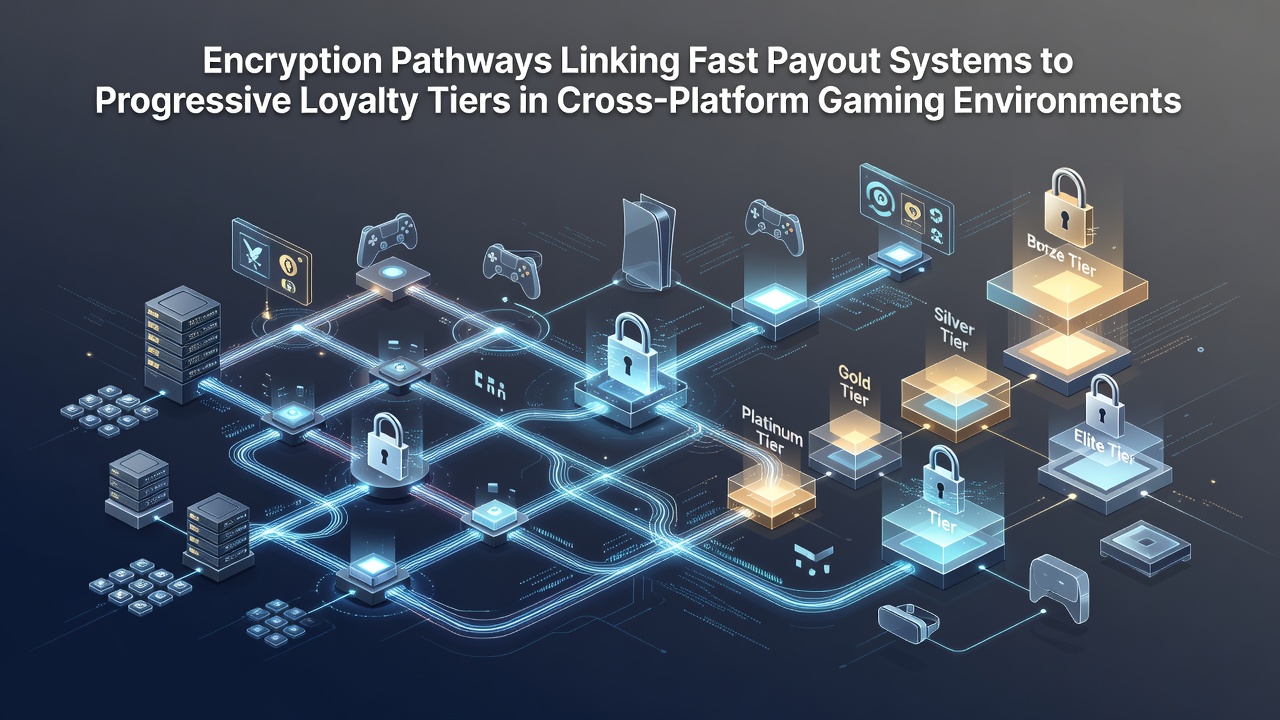
Encryption protocols form the backbone of secure transaction flows in digital gaming, where fast payout mechanisms connect directly to progressive loyalty structures across mobile, desktop, and console platforms, and data from November 2026 shows continued expansion in these integrated systems according to industry tracking reports.
Payment processors embed advanced cryptographic standards such as AES-256 and TLS 1.3 into withdrawal sequences, which allows funds to move from player accounts to external banks or digital wallets within minutes while simultaneously updating loyalty point ledgers in real time. Researchers at various academic institutions have documented how these encrypted channels reduce latency between transaction completion and tier advancement notifications, creating seamless progression for users who engage across multiple game types including slots, table games, and live event betting.
Core Technical Components of Encrypted Payout Pathways
Tokenization techniques replace sensitive financial details with unique identifiers that travel through secure networks, and this process links payout speed directly to loyalty tier calculations because the same encrypted data streams feed both the banking interface and the rewards database. Observers note that platforms employing end-to-end encryption experience fewer interruptions in loyalty point accrual during high-volume payout periods, whereas systems with weaker protocols often require manual reconciliation steps that delay tier upgrades.
Blockchain-based verification layers add another dimension in select environments, recording each payout as an immutable entry that loyalty algorithms reference when determining eligibility for higher status levels. Figures from regulatory filings in multiple jurisdictions indicate that operators adopting these combined encryption and verification methods saw measurable increases in cross-platform engagement rates during late 2026.
Integration with Progressive Loyalty Tiers
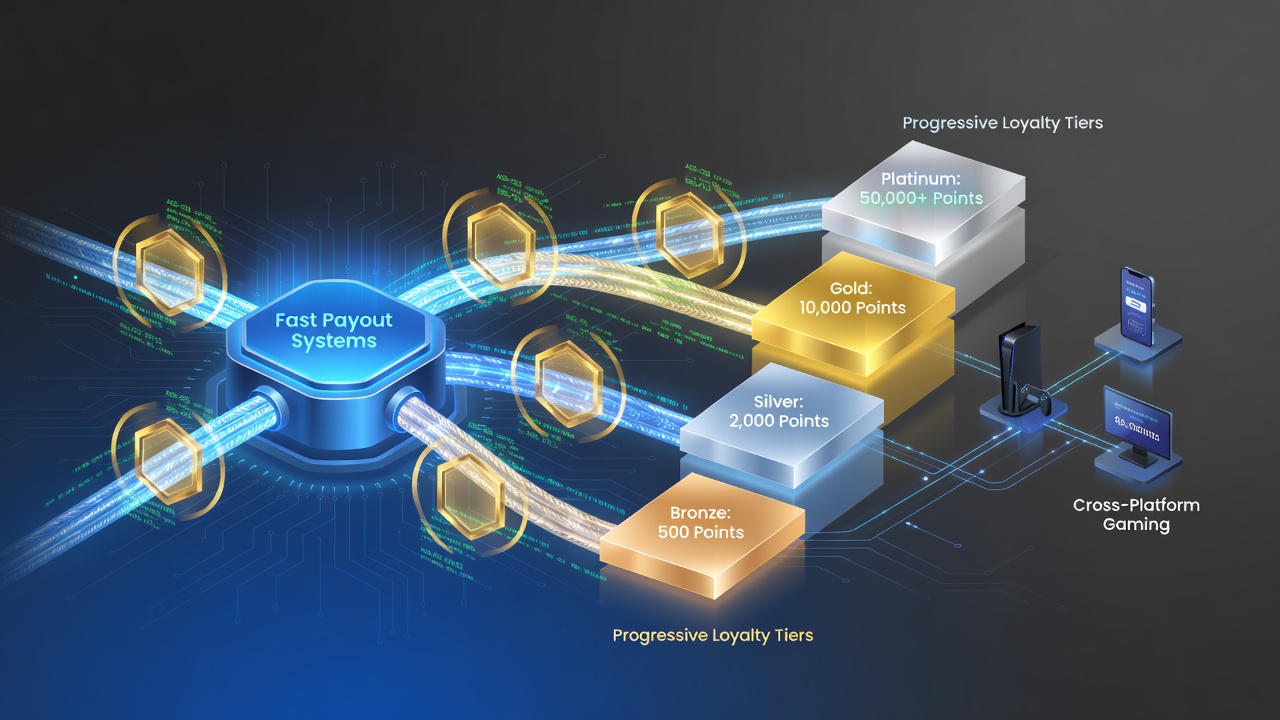
Loyalty systems calculate tier progression using a combination of wager volume, deposit frequency, and payout activity, all authenticated through encrypted APIs that prevent tampering while maintaining rapid data exchange. When a player completes a fast withdrawal, the encrypted confirmation triggers an immediate update to their loyalty profile, moving them toward the next threshold without requiring separate verification cycles.
One study released by a European research consortium highlighted how these linkages support consistent reward delivery across devices, because the encryption standards remain uniform whether the transaction originates from a smartphone app or a desktop client. Players who shift between platforms during a single session therefore maintain uninterrupted progress toward elite status levels such as platinum or diamond tiers.
Regional Regulatory Influences on Encryption Standards
Agencies such as the Malta Gaming Authority have issued guidelines requiring specific encryption minimums for operators handling cross-border transactions, and these rules extend to how loyalty data interacts with payout records to ensure auditability. In North America the New Jersey Division of Gaming Enforcement maintains comparable requirements that tie encrypted transaction logs to player reward tracking systems, creating consistent standards that support faster tier advancements when compliance is met.
Industry groups including the American Gaming Association have published analyses showing that standardized encryption practices correlate with higher player retention across loyalty programs, particularly when payout times drop below industry averages. These reports draw from aggregated data across multiple operators rather than isolated case examples.
Future Developments in Cross-Platform Security
Emerging quantum-resistant algorithms are entering testing phases for gaming payment infrastructure, with pilot programs scheduled to expand through 2027 according to announcements from several technology providers. Such upgrades aim to protect both payout integrity and the associated loyalty calculations that depend on the same data pathways, ensuring that tier progressions remain secure even as computational threats evolve.
Developers continue to refine API frameworks that allow real-time synchronization between encrypted financial ledgers and loyalty engines, reducing the window during which data discrepancies could affect player status. Those who monitor these technical shifts report steady adoption rates among major platform operators seeking to maintain competitive payout speeds while preserving reward system accuracy.
Conclusion
Encryption pathways serve as the connective tissue between rapid payout systems and advancing loyalty tiers throughout cross-platform gaming environments, with documented implementations demonstrating measurable impacts on transaction reliability and reward progression. Continued regulatory alignment across regions supports further refinement of these integrated mechanisms as operators respond to player expectations for speed and security in November 2026 and beyond.